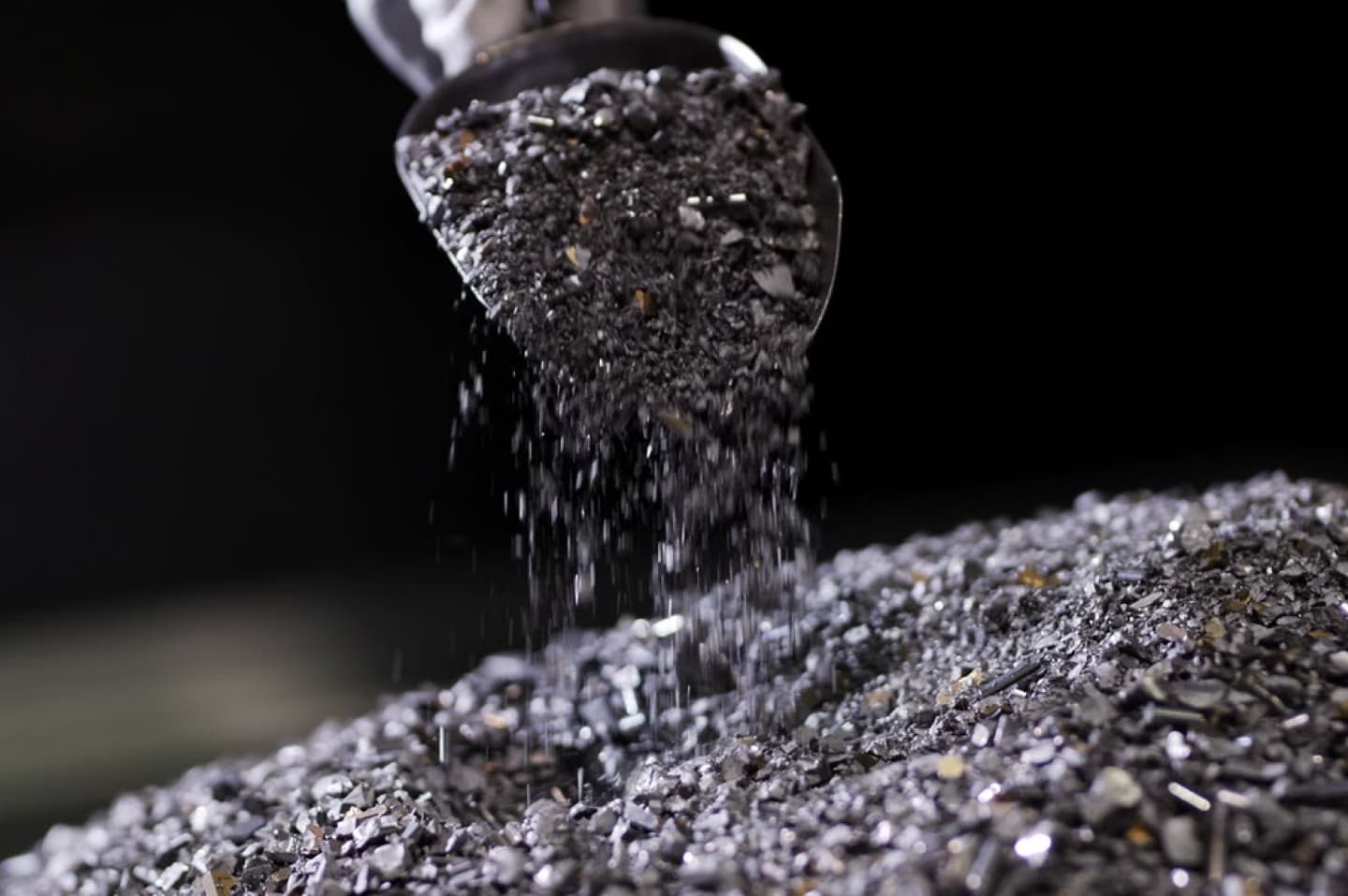
The Tungsten Squeeze: How Soaring Prices Are Rocking Lure Fishing

For years, tungsten has quietly become the backbone of modern lure fishing. Whether it’s the finesse precision of a ned rig or the sharp responsiveness of a dropshot setup, anglers have come to rely on tungsten for its compact density and unmatched sensitivity. But that reliance is now being tested. Across the globe, tungsten prices are surging at an unprecedented rate and the ripple effects are beginning to hit the lure fishing scene hard.
Prices Surge at an Unprecedented Rate
The scale of the increase is difficult to ignore. In some markets, tungsten prices have climbed by as much as 400–500% since early 2025, with certain benchmarks reportedly jumping fivefold in little over a year. What began as a tightening supply picture in late 2023 quickly escalated through 2024 before erupting into a full-blown commodity crisis across 2025 and into 2026.

A Perfect Storm Behind the Spike
At the heart of the issue lies a convergence of global pressures. China, which dominates roughly 80% of the world’s tungsten production, has tightened its grip on supply through export controls, quotas and environmental restrictions. These measures have significantly reduced the amount of material reaching global markets at a time when demand is accelerating.
That demand is being driven heavily by sectors far removed from the bankside. Tungsten plays a critical role in military applications, particularly in armour-piercing ammunition, missiles and advanced defence systems. Ongoing geopolitical tensions and conflicts are rapidly consuming stockpiles, pushing governments and defence contractors to secure supply at almost any cost. Alongside this, industrial demand continues to grow, with tungsten used in oil and gas drilling, aerospace engineering, electronics, and renewable energy technologies. It is, quite simply, a strategic metal in the modern world.
Why Tungsten Matters to Anglers
For anglers, the concern is much closer to home. Tungsten has become the material of choice in lure fishing for good reason. Its density allows for smaller, more natural presentations, while its hardness transmits even the faintest of bites back through the rod. From ned heads and jig heads to cheb weights and dropshot leads, tungsten is woven into the fabric of modern lure tactics.

Pressure Builds on Tackle Brands
As prices climb, so too do the costs faced by tackle manufacturers. The impact is unavoidable. Brands are being squeezed between rising raw material costs and a market that is only willing to absorb so much price increase. Some have already begun adjusting, quietly raising prices, trimming product lines, or exploring alternative materials such as steel or a return to lead where regulations allow. For smaller companies in particular, the pressure is intense, with margins shrinking and supply becoming increasingly unpredictable.
A Wider Industry Trend
While hard figures specific to the angling trade are limited, the broader industrial picture paints a clear trend. Rising tungsten costs are inflating production expenses across multiple sectors, forcing businesses to either pass those costs on or absorb significant financial strain. In fishing, where margins are often tight and competition is fierce, neither option is especially attractive.
What Happens Next?
Looking ahead, there is little indication that relief is imminent. Analysts suggest that supply deficits could persist through at least 2026, with prices expected to remain both high and volatile. New mining projects are years away from meaningful output and shifting reliance away from China will take time, investment, and political will. Meanwhile, demand from defence and high-tech industries shows no sign of slowing.
The outlook for tackle manufacturers, at least for now, is undeniably bleak. Those without a stockpile of tungsten or the financial flexibility to absorb rising costs are left with two choices: increase prices and risk losing customers, or rethink their future in a market that is rapidly changing beneath their feet. In a sport built on fine margins and subtle advantages, the weight of tungsten has never felt heavier.

Why Tungsten Is Still Worth It
Even with prices climbing, tungsten remains, without doubt the best material available for weights in modern lure fishing. Its unmatched density allows anglers to use smaller, more natural presentations while still getting lures down quickly and efficiently. Just as importantly, tungsten’s hardness delivers exceptional sensitivity, transmitting every tap, knock and tentative bite with a clarity that other materials simply can’t match.
For many anglers, that added feel and control isn’t just a bonus – it’s a genuine advantage that leads to more confident fishing and ultimately more fish banked. There’s also the long-term benefit of using a material that aligns with increasing environmental awareness, as tungsten continues to be favoured over lead in many fisheries. While the cost may be higher, the performance speaks for itself and for those serious about lure fishing, tungsten still sets the standard.