Perch Fishing with Livebaits: The Polyball Rig

Perch fishing with livebaits has long been one of the most effective ways to target specimen fish. While modern lure fishing has become increasingly popular, many experienced anglers still rely on livebaits when their goal is to tempt truly big perch. There is something about a small, lively baitfish that predators simply cannot ignore. When presented correctly, a livebait offers movement, scent, and realism that artificial baits struggle to replicate.
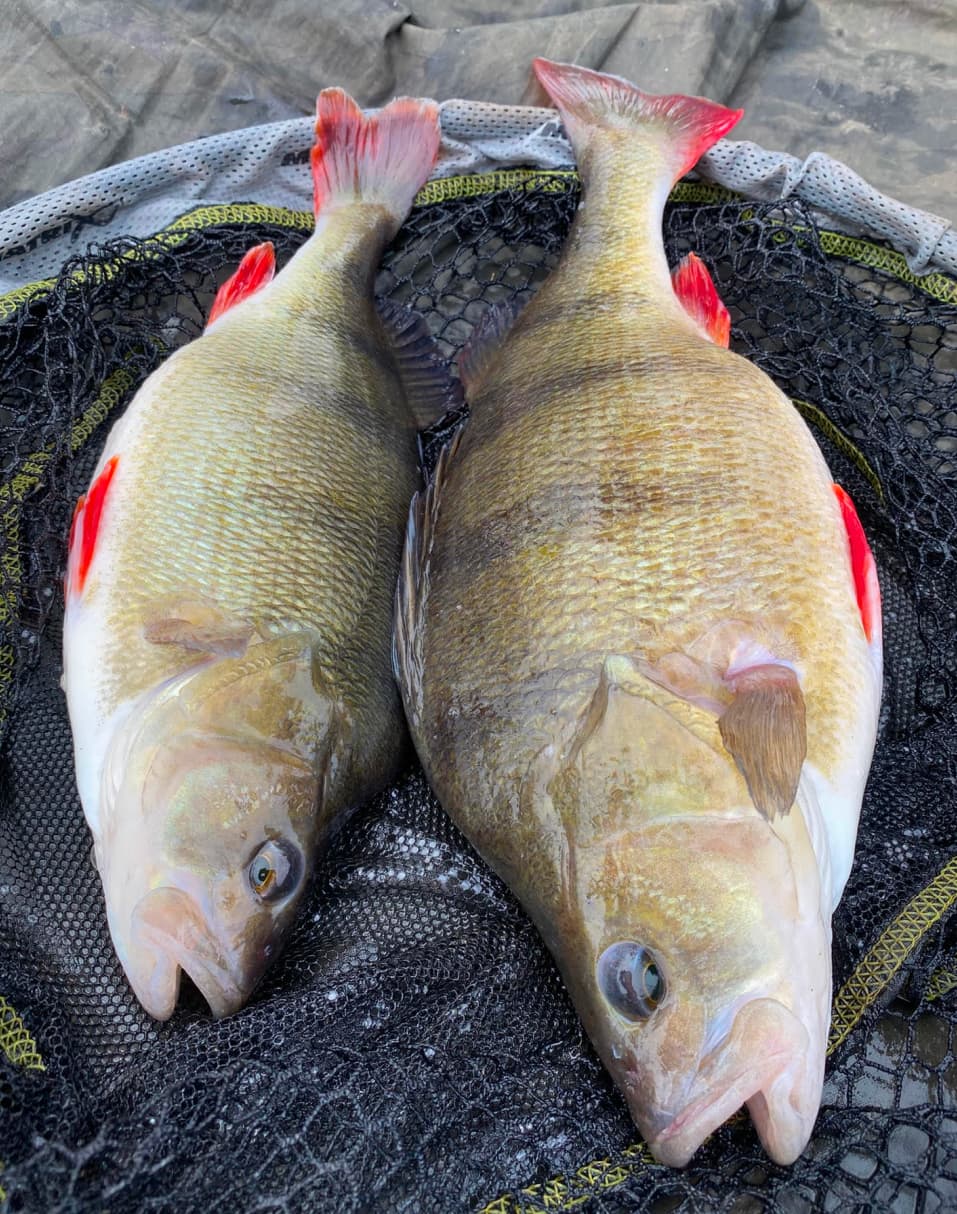
On many venues, especially estate lakes, canals, and quiet stillwaters, this method consistently produces perch over three pounds, with the occasional fish pushing well past the four-pound mark.
A Traditional Approach That Still Works
The method described here is one that many anglers learned decades ago and have quietly continued to use ever since. It’s simple, reliable, and particularly effective when fishing waters with plenty of small silver fish. In such environments, big perch naturally hunt small roach, rudd, and fry, making a livebait presentation incredibly natural.
The technique works especially well in low-light conditions. Early mornings on misty lakes, overcast days, or the final hours before dusk are often when the largest perch begin actively hunting. These predators prefer to ambush their prey, and when a small baitfish is struggling just above the lakebed, it can be irresistible.
The Sunken Poly Ball Rig
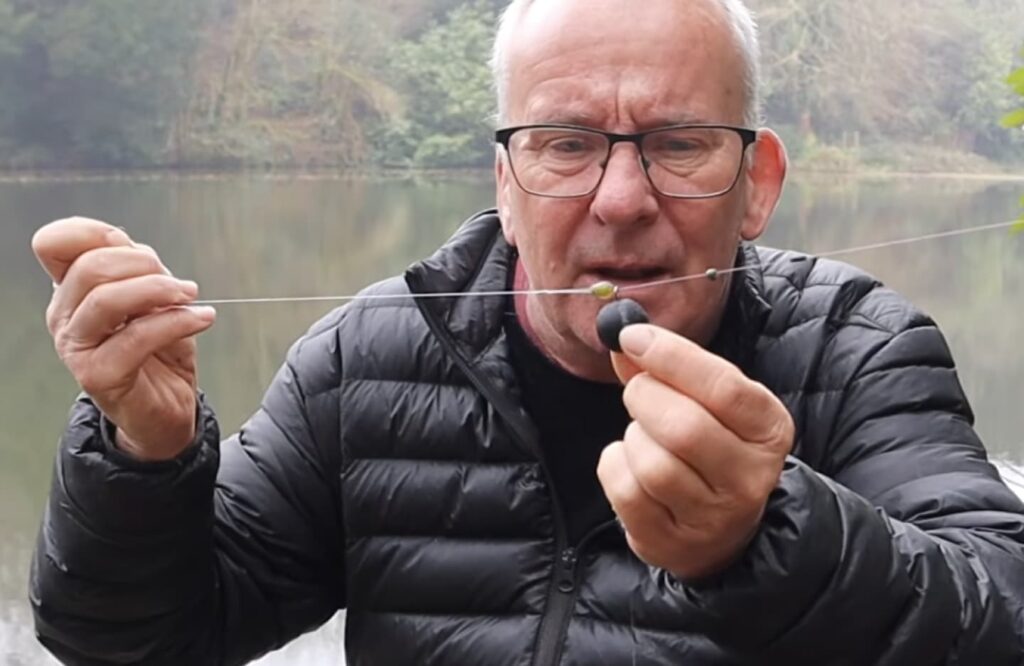
One of the most effective ways to present a livebait for perch is with a sunken poly ball rig. The design is deceptively simple, but its effectiveness comes from the way it keeps the bait moving just off the bottom while allowing it to behave naturally.
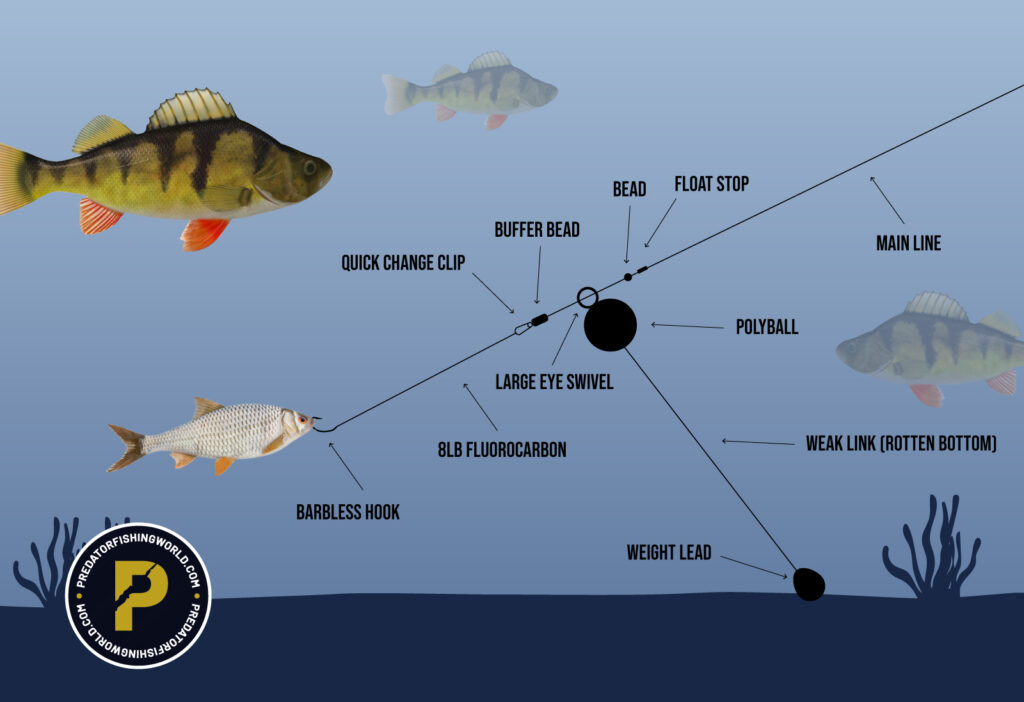
The setup begins with a main line of around ten pounds breaking strain. A poly ball float, usually black or red – is threaded onto the line so it can run freely. Inside the poly ball sits a swivel with a large eye, allowing it to slide easily along the line. This float eventually rests against a bead and float stop positioned near the rod tip, leaving a small amount of controlled movement in the system.
From there, a hooklength of roughly eight-pound fluorocarbon runs down to a size 10 barbless hook. This hook is used to lip-hook the livebait, allowing it to swim naturally. Below the hooklength sits a small lead attached by a weaker section of line known as a “rotten bottom.” If the lead becomes snagged, this weaker link will break before the rest of the rig is lost.
The key to the rig is how the poly ball lifts the livebait just off the bottom. The baitfish constantly tries to swim away, and the buoyancy of the poly ball keeps it suspended above the lakebed. This continuous movement creates a subtle but highly effective attraction for nearby predators.
Catching and Choosing the Right Livebait
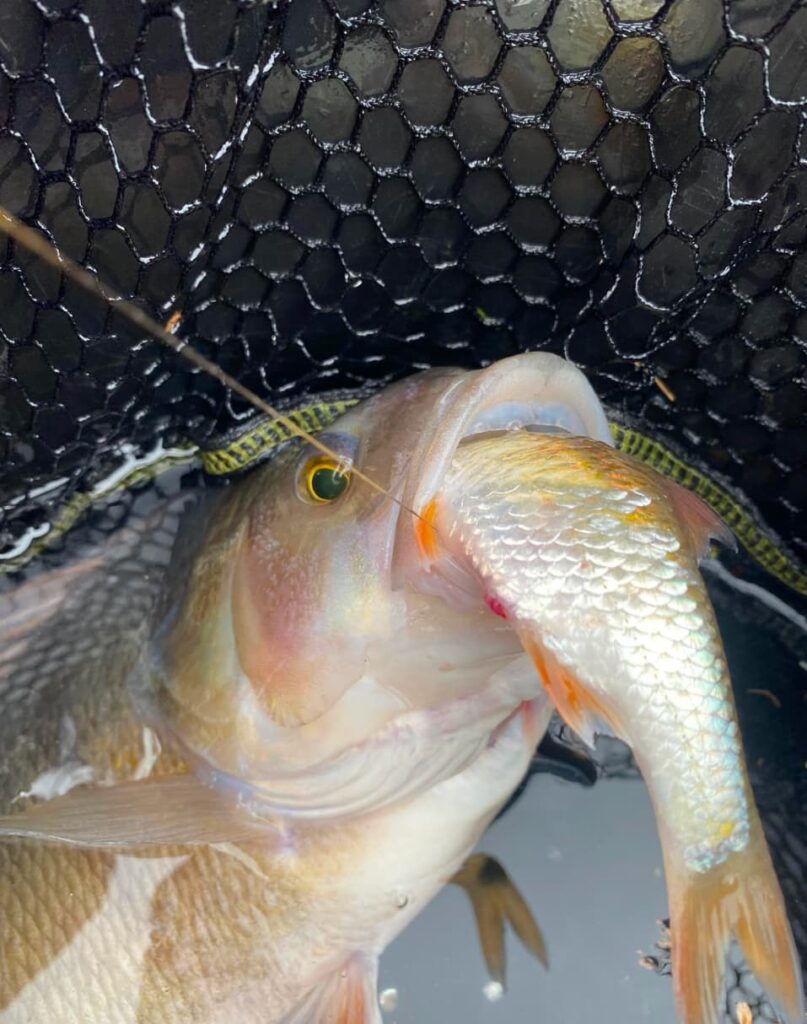
Before fishing can begin, suitable livebaits need to be caught. In many waters, this is the easiest part of the process. Small roach and rudd are often abundant and can be caught quickly using maggots on small hooks.
For perch fishing, the ideal baitfish size is usually between two and four inches. This size is large enough to interest bigger perch while still being manageable for the hook and rig. Larger baits tend to attract pike, while very small fish may not generate enough interest from specimen perch.
The most common hooking method is lip hooking, where the hook is passed carefully through the upper lip of the baitfish. This allows it to swim freely and remain lively for longer. Some anglers add a small elastic band to secure the bait, but the main aim is always to keep the bait as natural and active as possible.
Setting the Trap
Fishing the rig effectively requires a little attention to detail. After casting, the line is tightened so that the lead settles firmly on the bottom. The angler then releases a small amount of line, typically around eighteen inches allowing the poly ball to rise and lift the livebait into position.
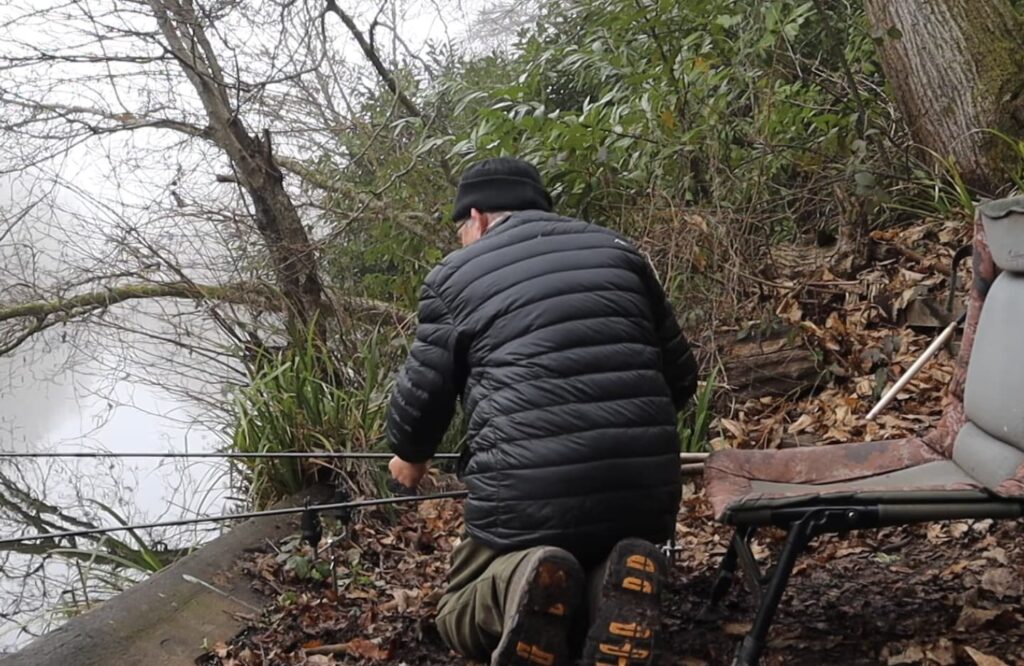
A small bobbin indicator clipped to the line helps detect bites. With the rig set correctly, the baitfish will be moving constantly, occasionally twitching the rod tip or indicator. This movement is normal and often signals that the bait is doing its job.
When a predator arrives, the bite is usually unmistakable. The bobbin rises sharply, the rod tip pulls round, and the fish begins to move off with the bait.
Unlike pike fishing, where anglers often allow the fish time to turn the bait, perch fishing requires a quick response. Because the bait is lip hooked, a fast and firm strike is needed to pull the hook free of the baitfish and drive it into the predator’s mouth. When done correctly, the hook usually catches neatly in the scissors of the fish.
Choosing the Right Location
Location plays a huge role in successful perch fishing with livebaits. Perch are ambush predators and prefer to hunt around structure and cover. Features such as overhanging bushes, lily beds, submerged branches, and marginal shelves are all prime spots.
Estate lakes often provide perfect perch habitat. Many of these waters have deeper dam areas that gradually shallow toward inflow points, with plenty of natural vegetation and wildlife. Fishing close to these features, especially where small fish gather – can dramatically increase the chances of success.
On calm mornings, it’s often possible to see small fish dimpling on the surface or moving in the margins. These signs usually indicate feeding activity, and predators are rarely far away.
When Pike Interfere
Anyone who fishes with livebaits for perch soon learns that pike are a frequent by-catch. Even in waters where the target species is perch, it’s not unusual to hook the occasional jack pike that has been drawn in by the struggling baitfish.
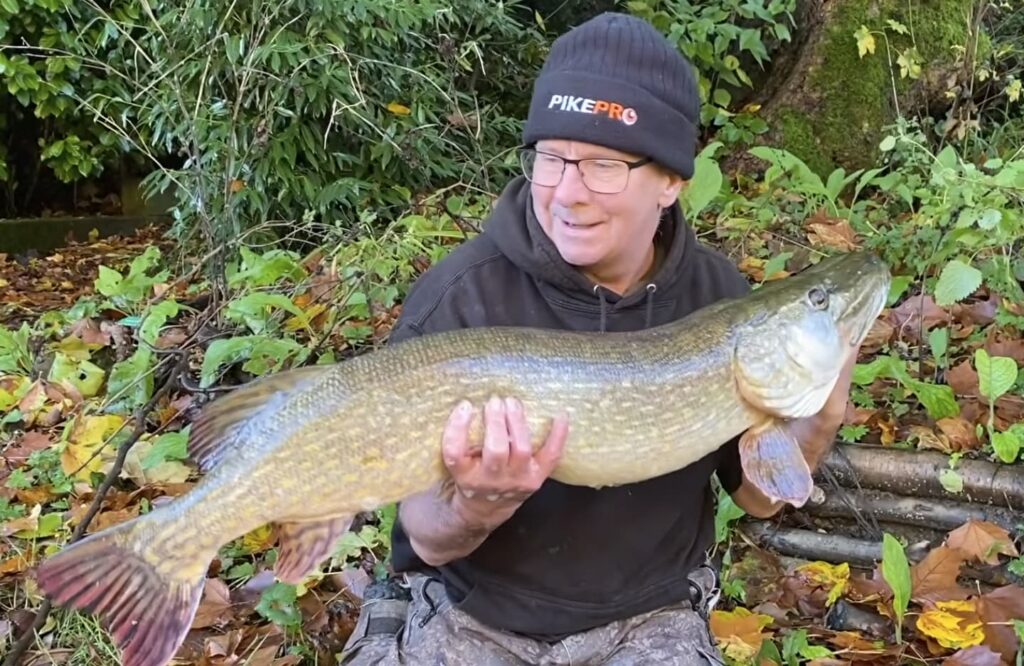
For this reason, many anglers slightly increase the strength of their main line when fishing waters known to contain pike. While wire traces are often avoided when specifically targeting perch, because they can reduce the number of takes, the slightly heavier line offers some extra security if a predator larger than expected turns up.
A Timeless Technique
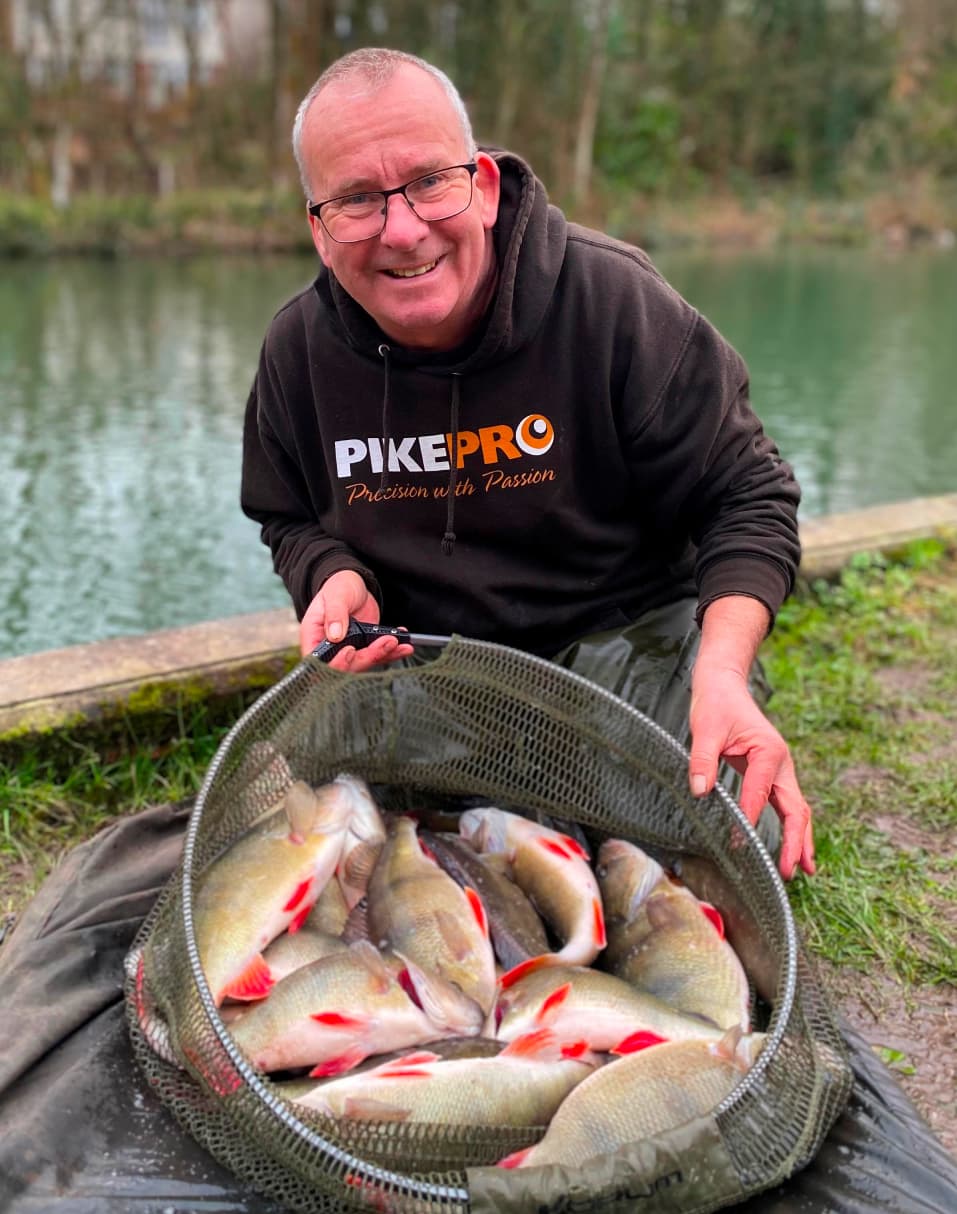
Perch fishing with livebaits remains one of the most reliable ways to catch specimen fish. It’s a method rooted in traditional angling but still incredibly effective today. By combining natural bait, a simple but clever rig, and thoughtful swim selection, anglers can dramatically increase their chances of encountering larger perch.
There is also something uniquely satisfying about this style of fishing. Sitting beside a quiet lake on a misty morning, watching the rod tip and waiting for that sudden lift of the bobbin, connects the angler with a slower and more thoughtful side of the sport.
And when that strike connects and the rod pulls into a powerful fish, it’s a reminder that sometimes the oldest methods are still the very best.