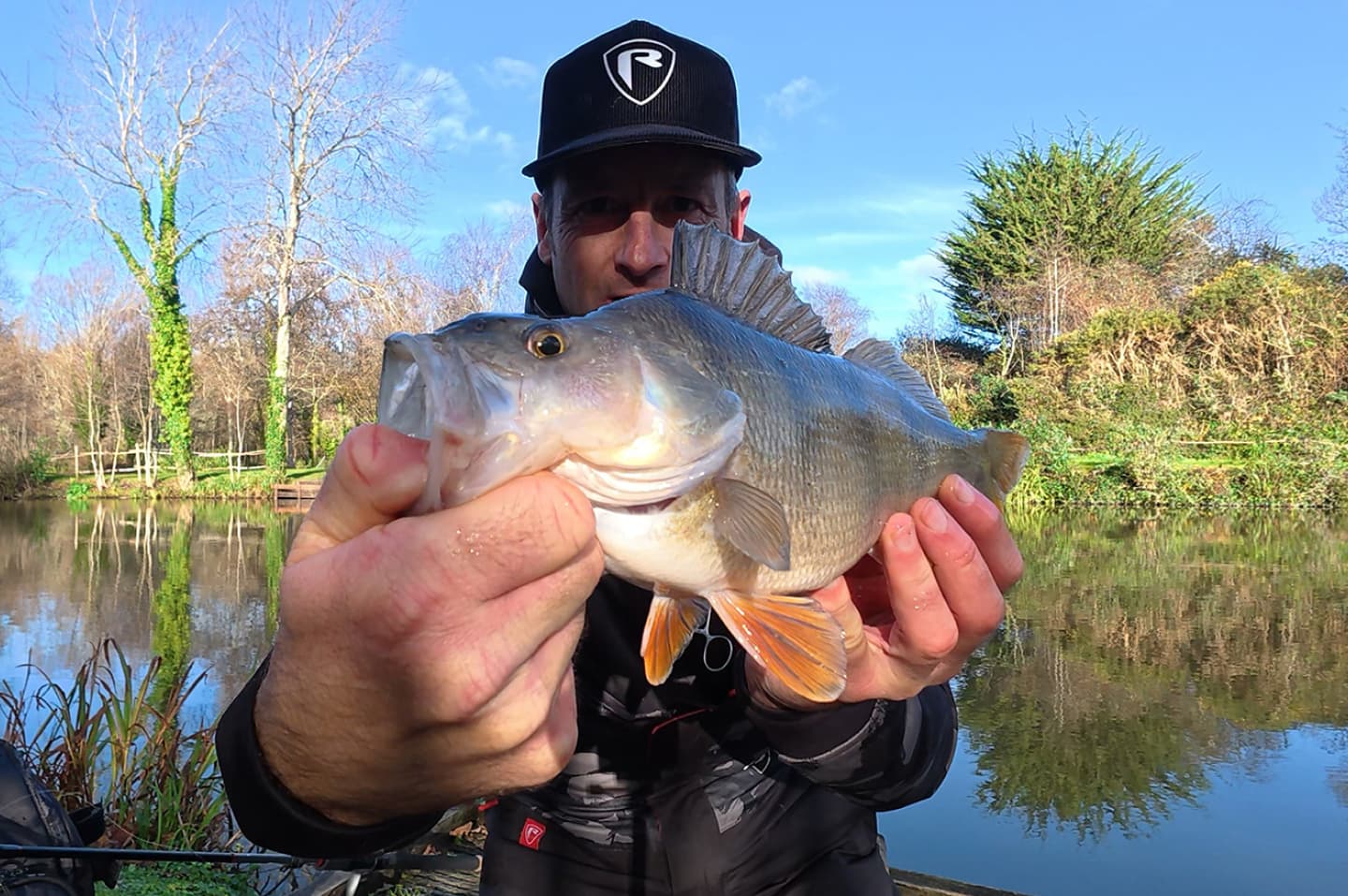
Lure Fishing for Specimen Perch on Commercial Fisheries in Winter

Commercial fisheries are often overlooked by lure anglers, especially in winter. Most are built around carp fishing, get hammered through the warmer months and many ban lure fishing altogether for much of the year. But once winter arrives, carp activity drops off, angling pressure eases and some of these venues quietly open their gates to predator anglers.
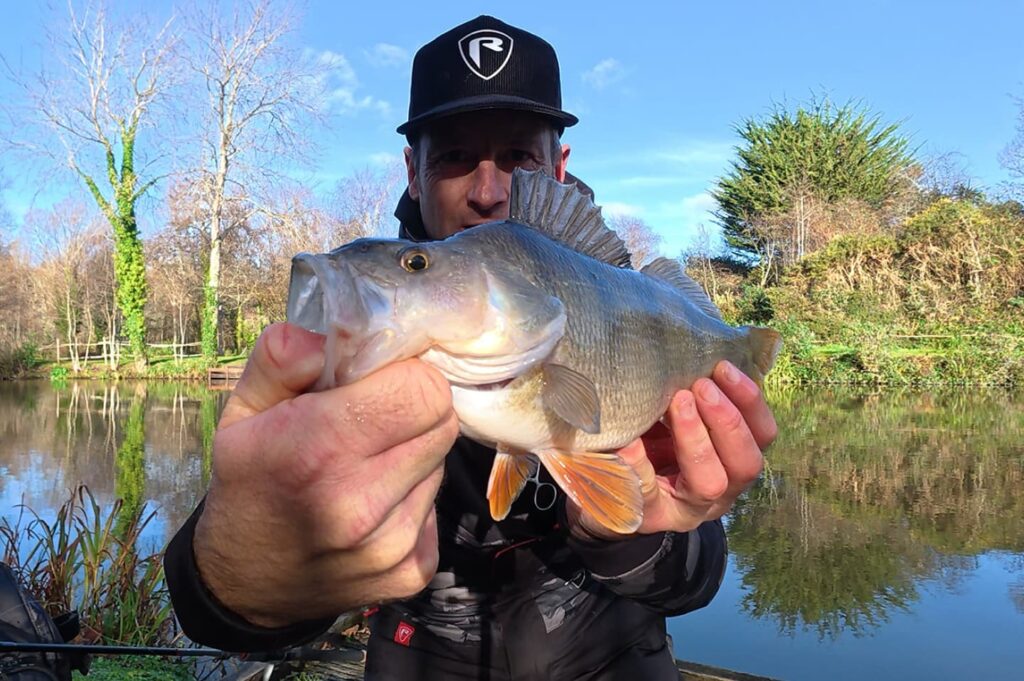
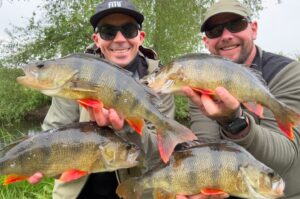
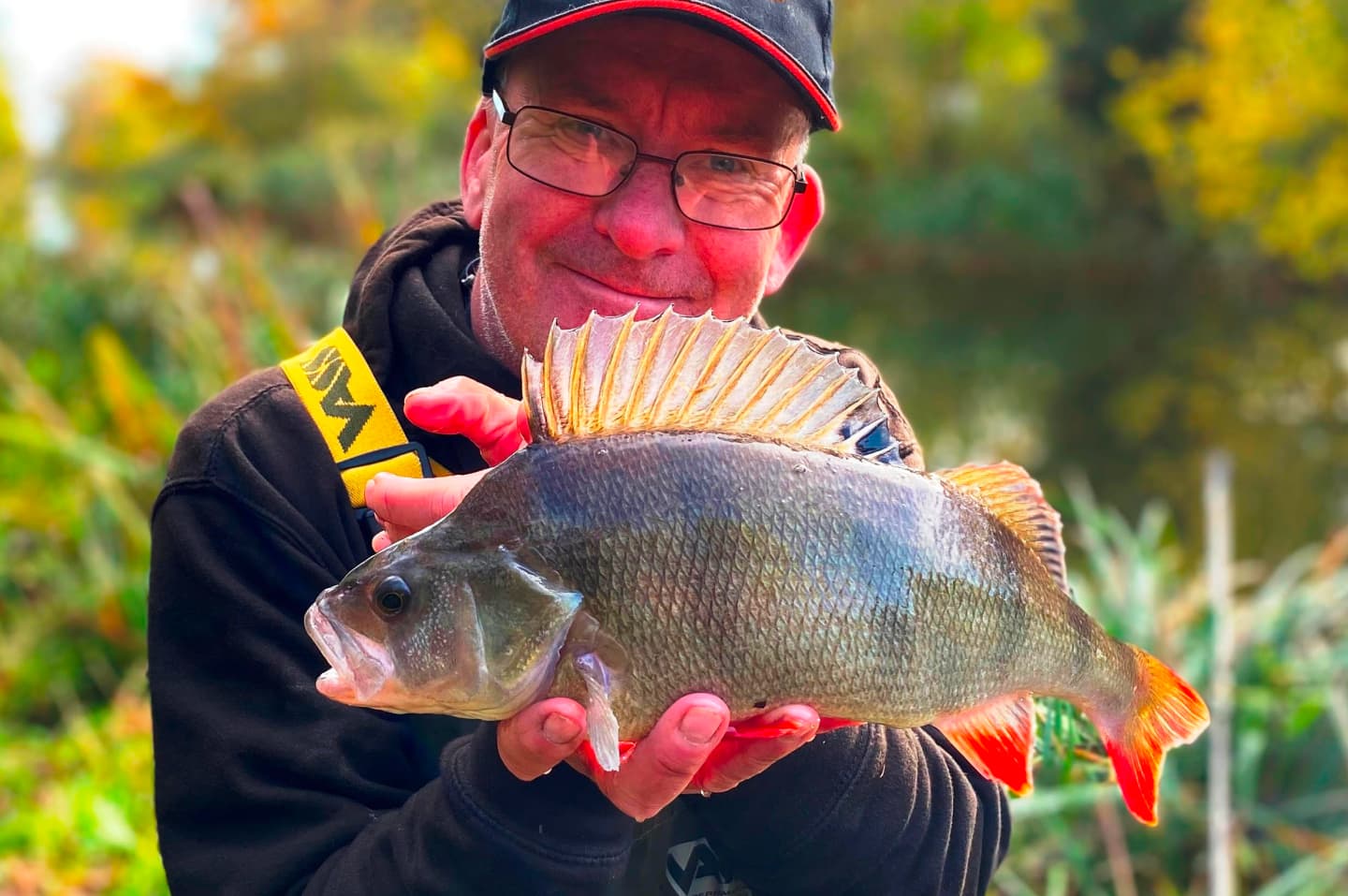
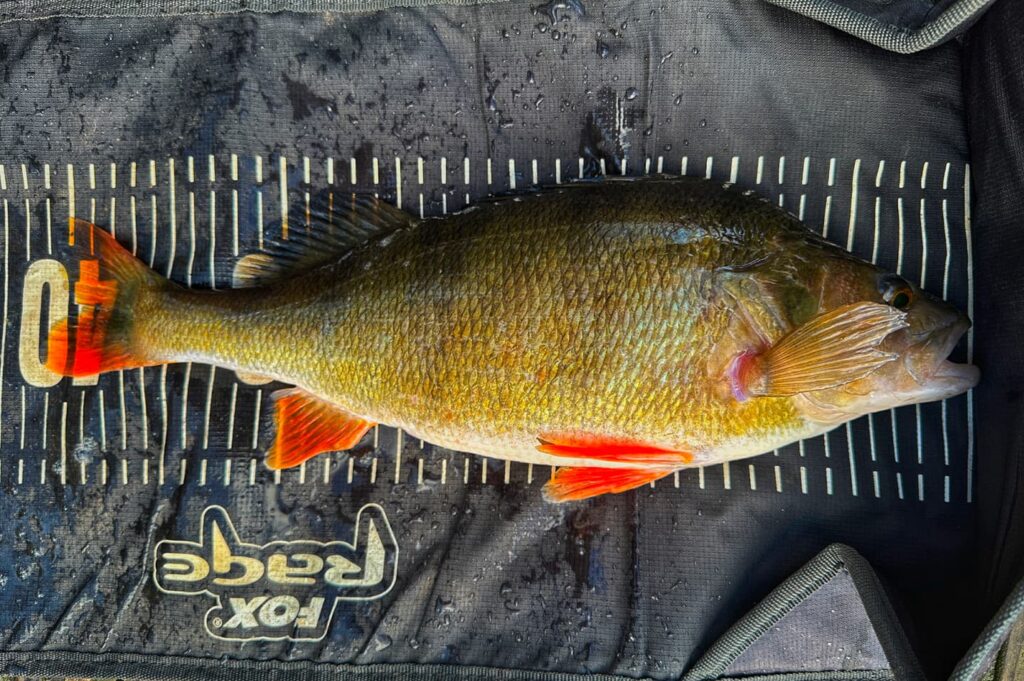
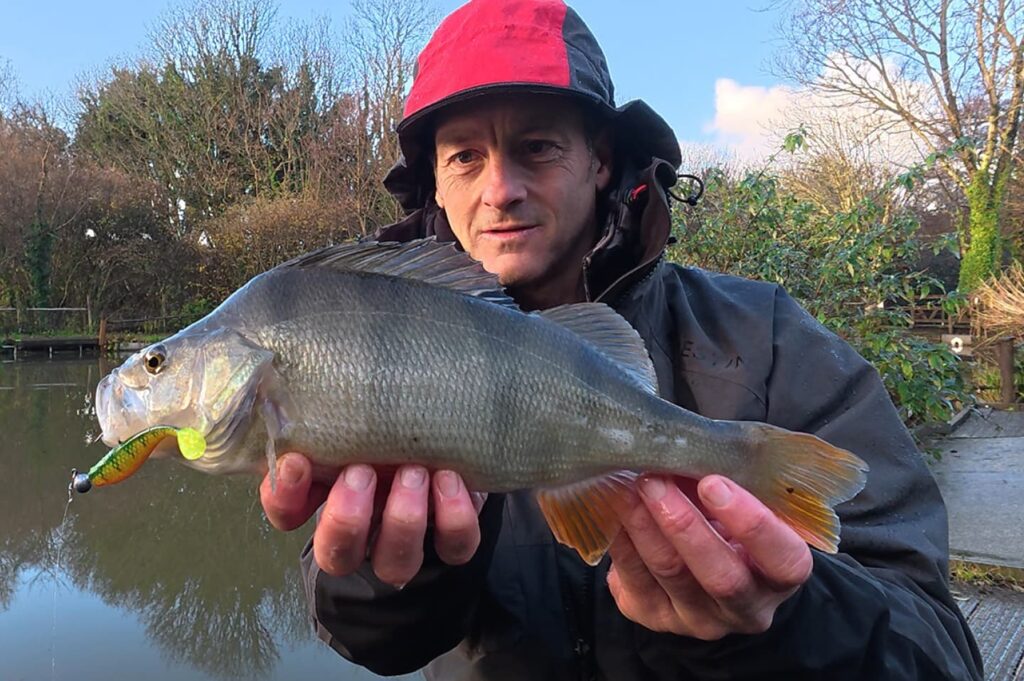
Over the past winter, I’ve had some brilliant sport targeting big perch on lures from commercial fisheries, with average fish well over 40 cm and more than a few that wouldn’t look out of place in the specimen book. These places can be far more productive than most people realise if you approach them in the right way.
This article looks at why commercials can be so good for perch, how the fish behave in winter and how to get the most from them with lures when the water is cold.
Why Commercial Fisheries Can Hold Big Perch
At first glance, most commercials don’t scream “great perch water”. They’re usually coloured, full of carp and have seen plenty of angling pressure. But those same factors can actually work in your favour.
Perch are often present in these waters without ever being a target species. Some are stocked intentionally, others arrive naturally. Perch eggs are incredibly sticky and can be moved from water to water on birds’ feet or bits of weed. Once they’re in, they don’t take long to establish themselves.
Most commercial lakes are full of fry and small silver fish thanks to regular feeding and nutrient-rich water. In smaller venues, especially those without pike or with very few of them, perch often sit right at the top of the food chain. With loads of food and very little competition, they can grow on quickly and reach impressive sizes.
The other big edge is that while these waters are fished constantly with bait, they’re hardly ever fished with lures. A lot of the better perch in these lakes may never have seen an artificial lure before, which gives you a real advantage.
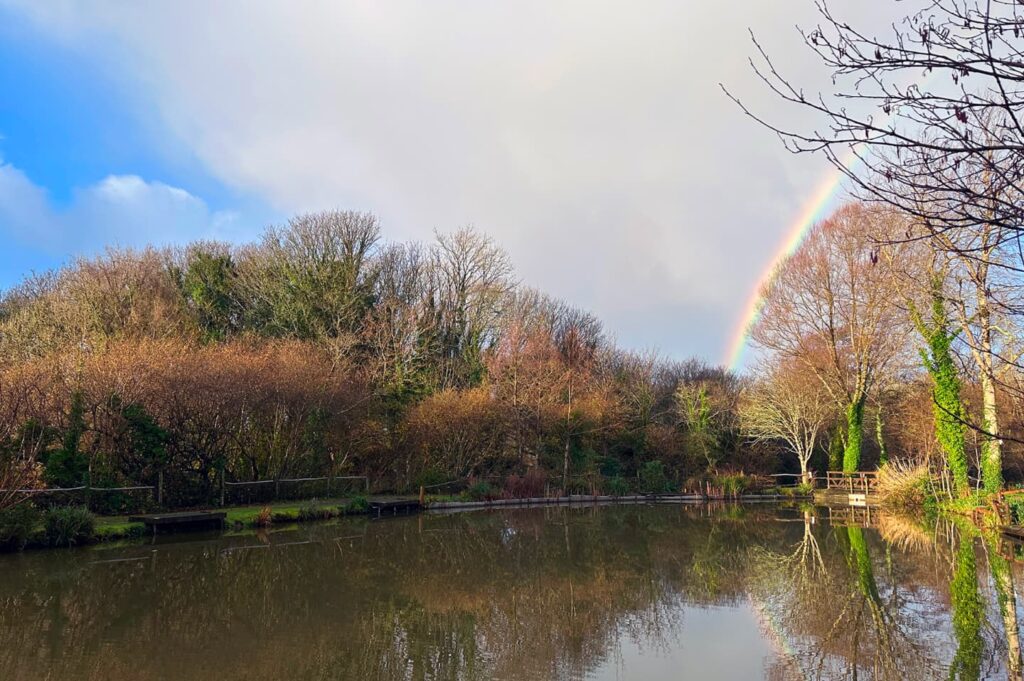
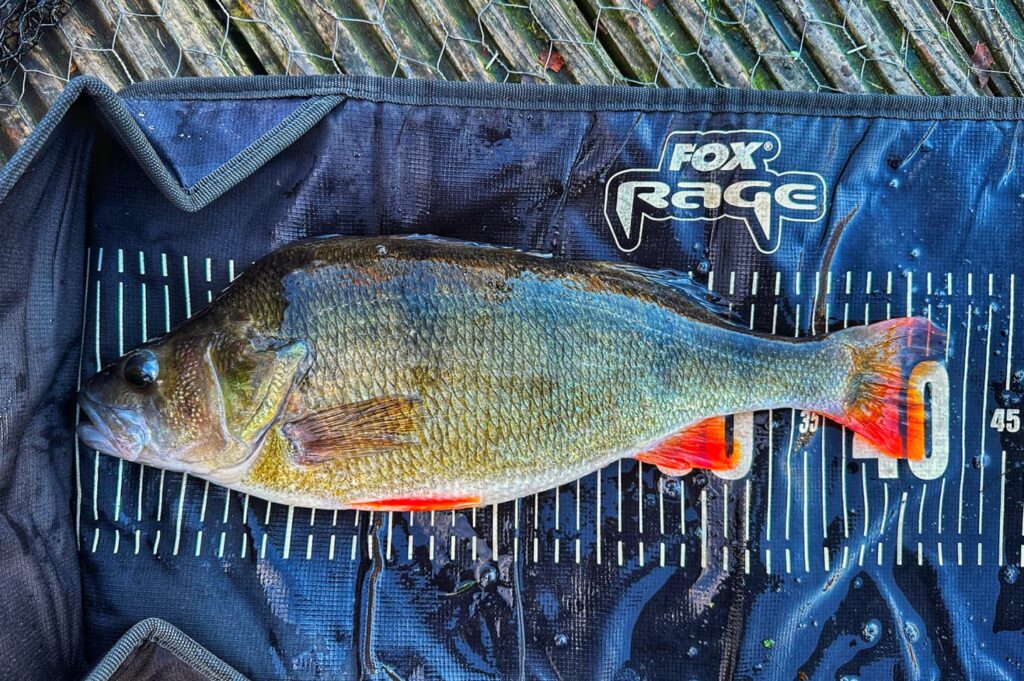
Winter Conditions and Perch Behaviour
Once water temperatures drop, carp activity really slows down. That does two useful things for us.
First, there’s far less disturbance in the water. No constant feeding and no clouds of silt being stirred up. Second, water clarity often improves. Even a foot or so of visibility is plenty for effective lure fishing.
Perch stay active in cold water and will continue to feed right through winter, although they do slow down a bit and become more calculated in how they move. They rely on a mix of vision, vibration and ambush to catch prey. In coloured water especially, a lure that puts out some vibration and has a strong silhouette really comes into its own.
They’re still more than capable of chasing a bait in winter, but an easy-looking meal often gets taken first. That’s why slower retrieves, pauses and keeping your lure close to the bottom works so well at this time of year.
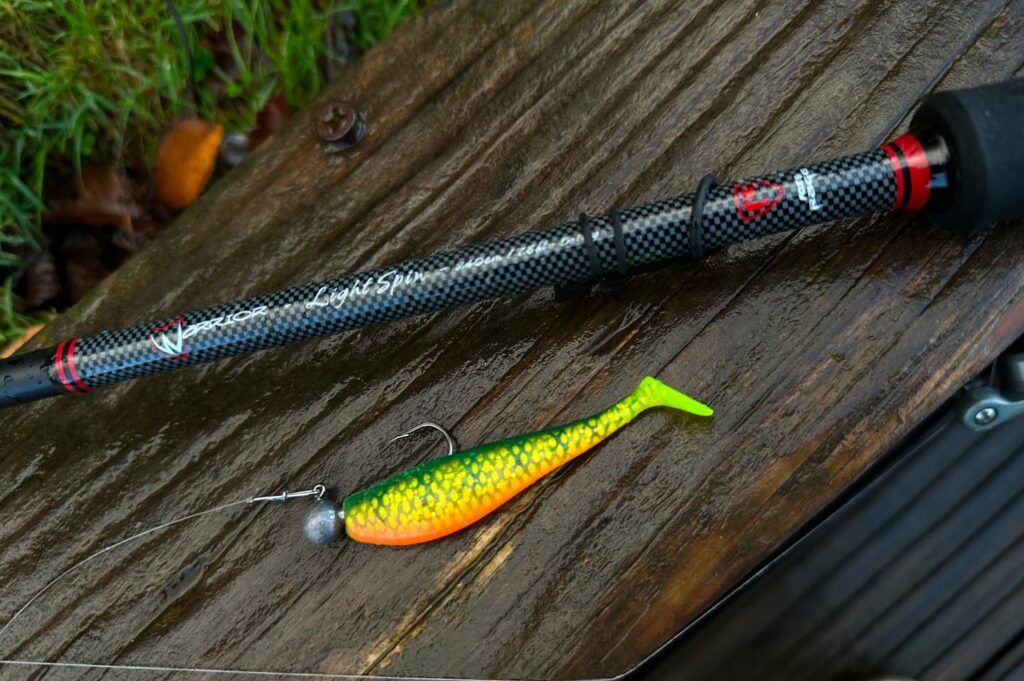
Tackle Selection When Lure Fishing for Perch on CommercialS
I usually carry two setups so I can cover most situations.
Medium Lure Setup
- Rod: Fox Rage Warrior 5–15 g
- Reel: 2500 size
- Mainline: 10 lb braid
- Leader: 7 lb fluorocarbon
- Connection: FG knot
This covers most of my jig work and gives enough backbone for proper perch while still being sensitive enough to fish slowly and in control.
Ultralight and Dropshot Setup
- Rod: 1–8 g dropshot rod
- Reel: 1500 size
- Mainline: 8 lb braid
- Leader: 6 lb fluorocarbon
This comes out when the fish get really finicky or just refuse to chase anything that’s moving too much.
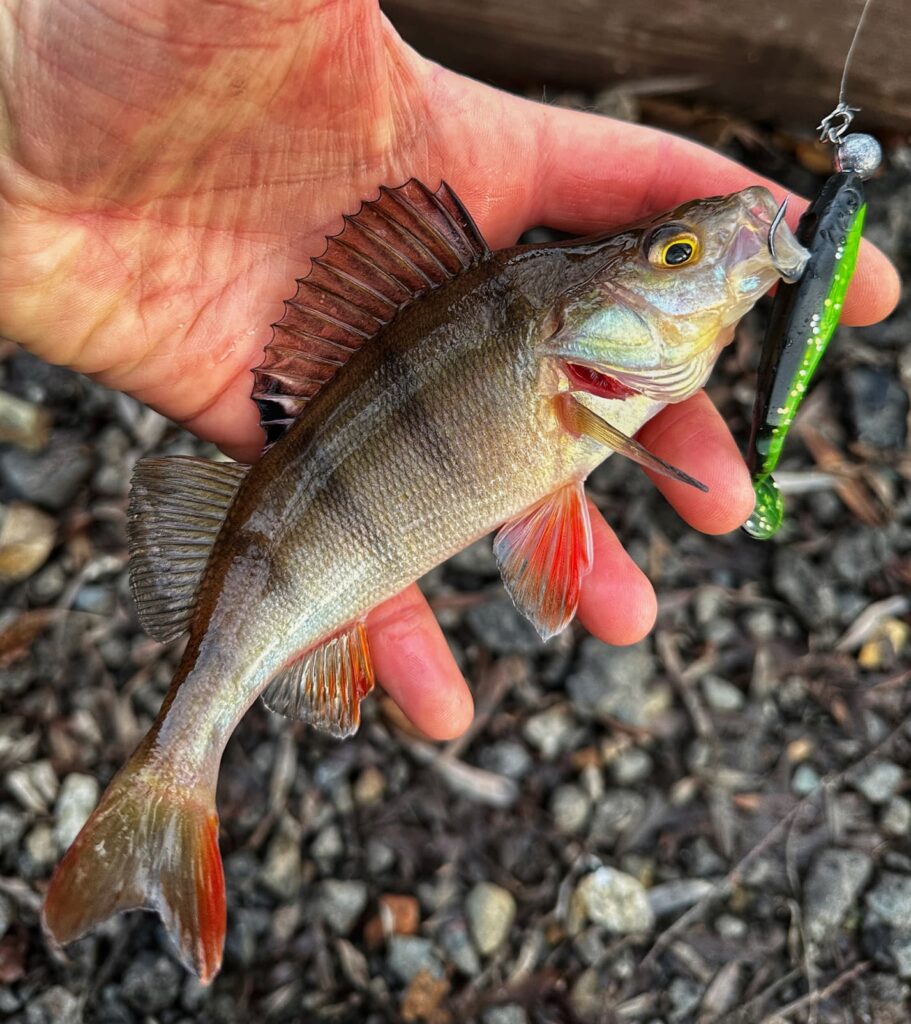
Lures, Colours and How I Fish Them
Before I even start fishing, I’ll always try to gather a bit of information. A quick chat with the owner or a couple of regulars can tell you a lot. What silver fish are in there, what baits get used most, what turns up in match nets. It all helps you build a picture of what the perch are feeding on.
In winter, I lean heavily towards bright or high-contrast lures with a clear profile. Even when the water looks half decent, visibility is still limited, so vibration and shape matter more than tiny details.
I also don’t go too small when I’m after better fish. A lure around 7.5 cm is a great all-round size. It’s big enough to avoid too many tiny perch but not so big that it puts the better ones off.
One lure that’s been outstanding is the Fox Rage Zander Pro Shad. It might be sold as a zander lure, but it’s brilliant for big perch. It has a deep body, a nice rolling action and a paddle tail that kicks out plenty of vibration even when you’re barely moving it.
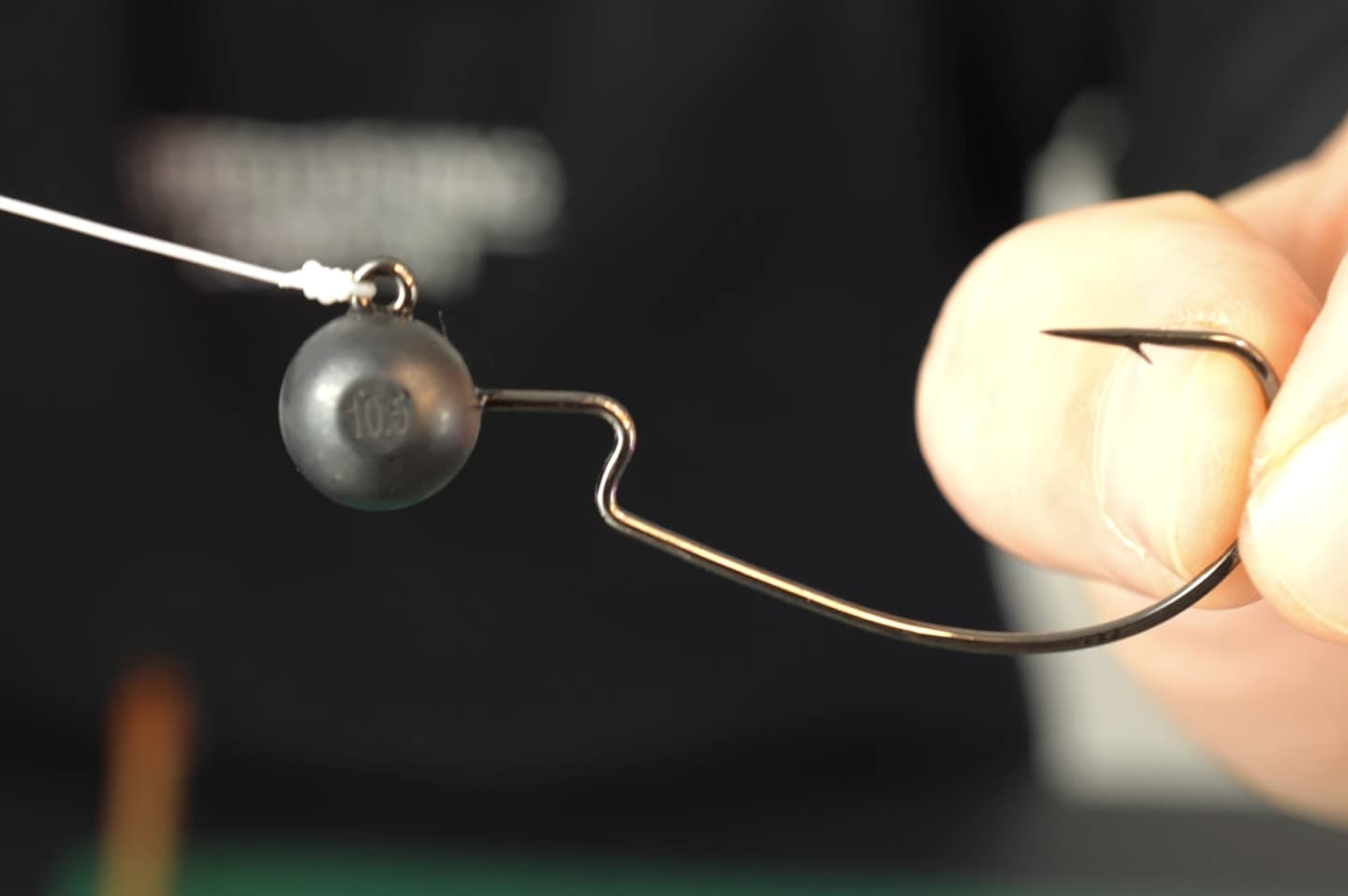
- Jig head: 5 g
- Hooks: Barbs crushed, as many commercials are barbless-only
As a rough guide, I use about 1 g of jig head weight per foot of water. On a lake that’s 5 to 8 ft deep, 5 g is just about perfect. It gets you to the bottom easily but still lets you fish nice and slowly.
Finding Perch in “Featureless” Lakes
A lot of commercials look completely featureless. No islands, no obvious snags and fairly even depths. But perch will always relate to something, even if it’s subtle.
The Near Margin
Steep banks often mean undercut margins and these are perfect ambush spots. Areas in front of platforms are especially good because bits of bait get thrown in or dropped, which pulls in small fish.
I fish these areas really methodically.
First cast tight to the edge, maybe a foot out. Then I go a bit further, then a bit further again, slowly working my way out into the swim. It’s surprising how often you’ll get a proper fish within the first few casts doing this.
Far Margins and Open Water
If the rules allow and there’s nobody fishing opposite, casting to the far bank can be deadly. Bringing the lure all the way back across the lake means you’re covering the deeper middle water too, which often holds fish in winter.
Perch can turn up almost anywhere in these lakes, so I like to fish each swim properly and then move on. It’s a great way to locate where the active fish are.
Retrieve Styles and Small Tweaks
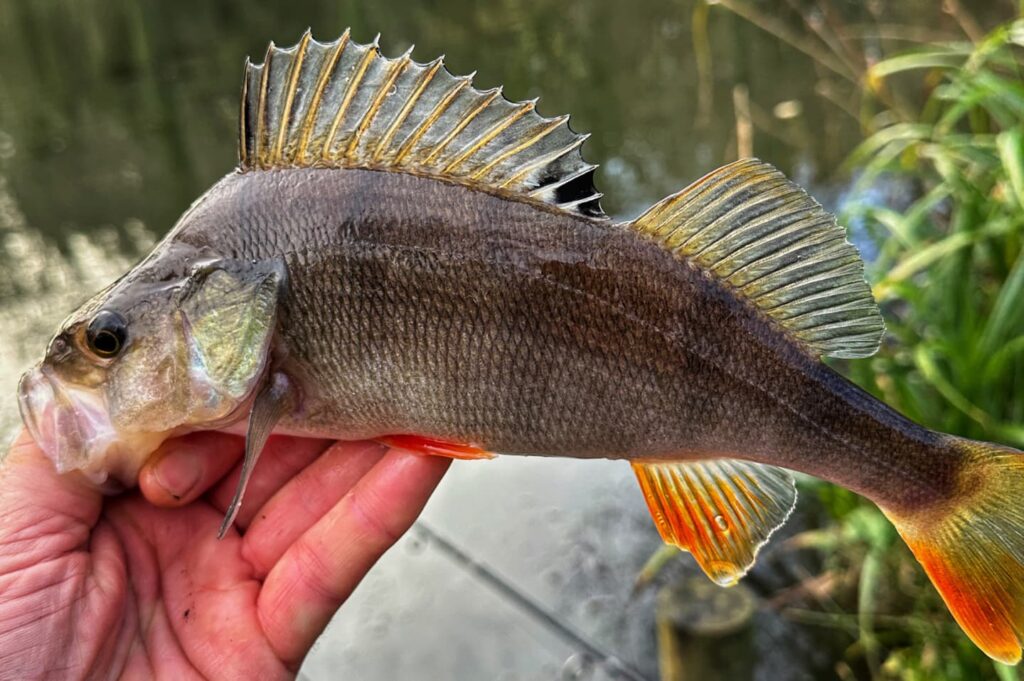
Most of the time, a slow, steady retrieve right along the bottom has been the most reliable approach for me. It keeps the lure where the fish are feeding and also helps avoid snagging or accidentally hooking carp.
If bites don’t come, I’ll start making small changes.
- Slow it down or speed it up slightly
- Add pauses, for example two turns of the handle and then a 2 to 4 second pause
That pause is often the killer. The lure drops back to the bottom and looks just like a wounded or struggling baitfish and that’s when a lot of takes come.
If I still don’t get any interest, I’ll change either the colour or the type of lure before giving the swim a bit more time or moving on.
When to Switch to Dropshot
When the water gets really cold, perch can slow right down. That’s when dropshotting really comes into its own.
The big advantages are:
- You can fish painfully slowly or even almost static
- You’ve got precise control over the depth
- You can use small, natural-looking baits
Things like the Westin BloodTeez, which imitates bloodworm, can be absolutely deadly, although you’ll probably catch a few roach, bream, or small carp along the way too.
Dropshotting is covered in plenty of detail elsewhere on Predator Fishing World, so I won’t go into it too deeply here.
Final Thoughts On Perch on Commercial Fisheries in Winter
Winter lure fishing for perch on commercial fisheries is seriously underrated. With less pressure, clearer water and a lot of fish that have never seen a lure before, these venues can offer some brilliant sport.
If you fish methodically, pick the right lures and think about how perch behave in cold water, you’ve got a real chance of finding some of the biggest fish in the lake. And when that float-caught carp angler next to you asks what you’re using, you’ll know you’re onto something special.