The Carolina Rig Explained – Maximise Your Success

The Carolina rig, or C-rig as many anglers call it, is one of those setups that can transform your fishing, whether you’re chasing perch, zander, or even saltwater species like bass or flatfish. Its strength lies in subtlety – the weight is separated from the lure, allowing the bait to fall naturally and move almost weightlessly through the water. This makes it a favourite for finicky fish or pressured waters, where even the slightest unnatural movement can spook a fish.
Unlike a Texas rig or a jig, where the weight sits right on the bait, the Carolina rig detaches the weight using a leader. This gives your lure freedom to move on its own while the fish feels only the bait, not the weight. The result is a slow, natural presentation that often triggers bites that other rigs miss.
Setting Up the Carolina Rig
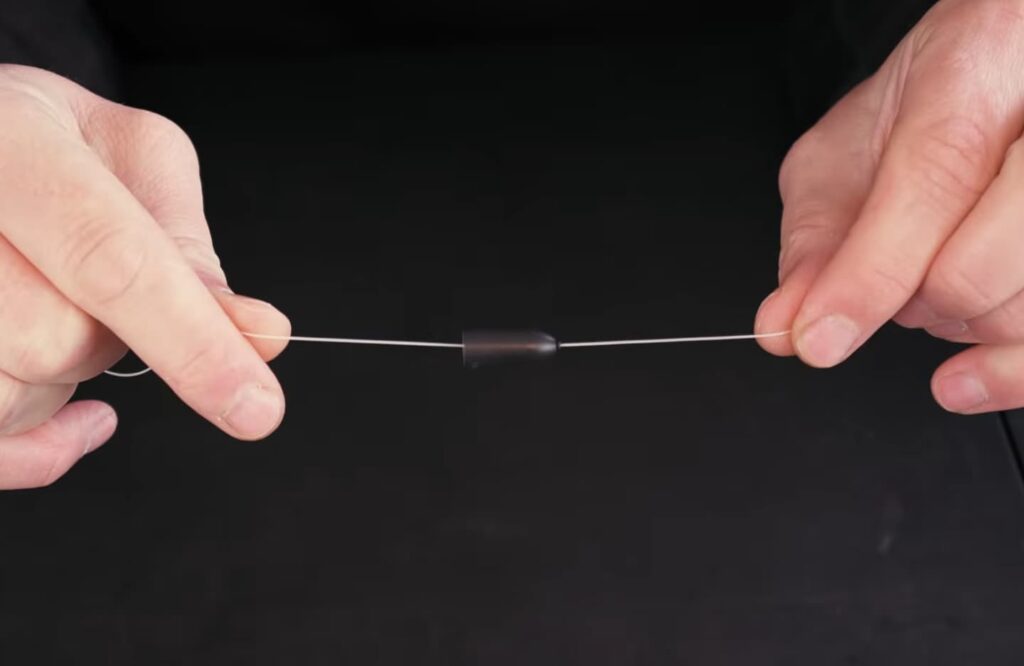
The beauty of the Carolina rig is in its simplicity, but attention to detail can make a huge difference. Start with a braided main line, then attach a section of thicker fluorocarbon. This part is often in contact with the bottom so it needs to resist abrasion something around 12-16lb is suitable. Add a rubber stop onto the thicker fluorocarbon to stop your bullet weight running onto the braided mainline. You can then thread your bullet weight onto the thicker fluorocarbon leader – behind the rubber stop.
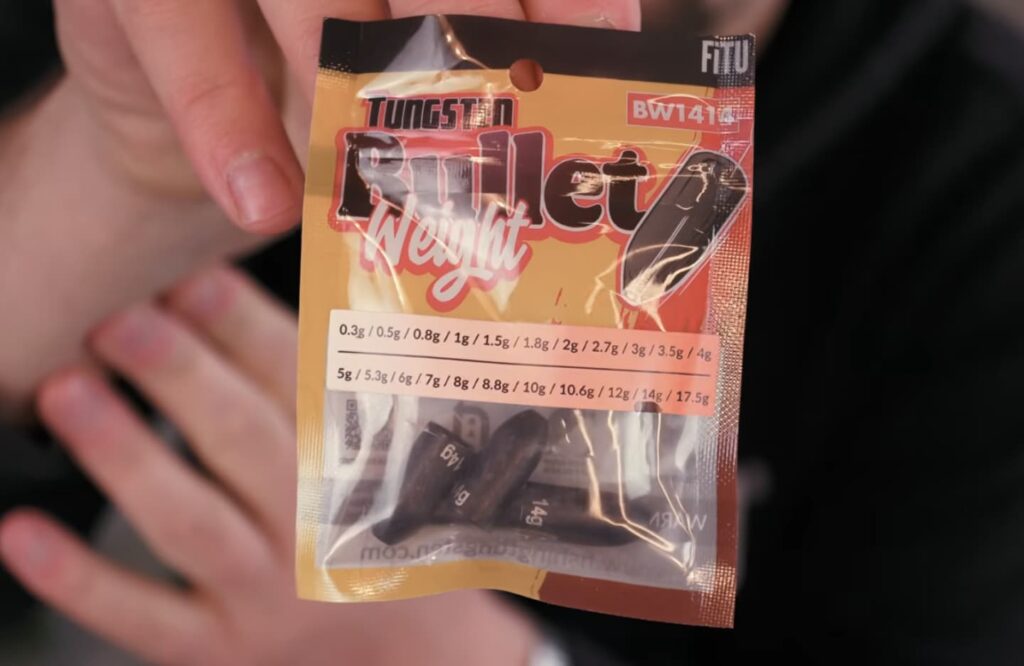
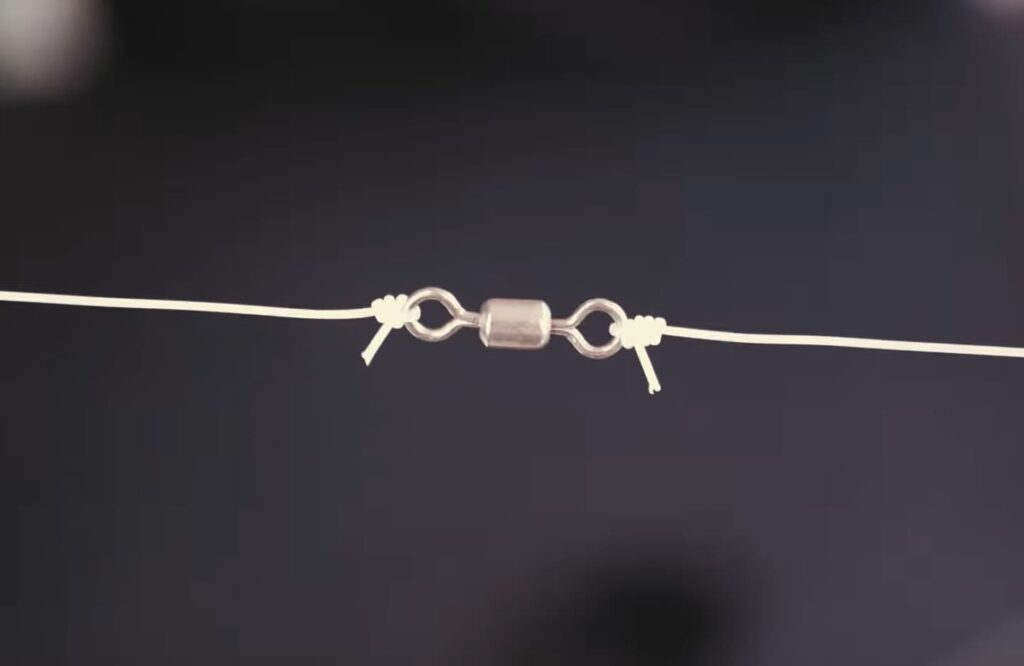
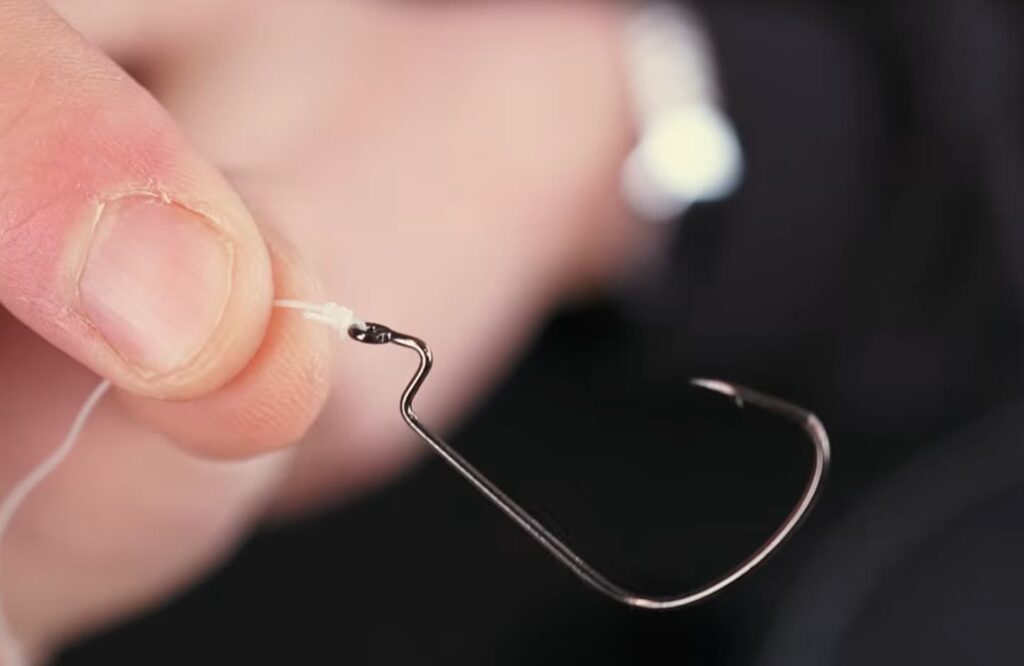
Traditionally, a small swivel then connects the thicker leader to a section of thinner fluorocarbon leader (6-8lb), but many anglers now use a double uni knot instead, which eliminates extra hardware and keeps the rig sleek. This knot or a traditional swivel is more than enough to stop the tungsten bullet weight from sliding onto the thinner leader and keeping that all-important separation. Finally, choose a hook suited to your fishing style: a narrow Texas hook for dragging along the bottom, a wide-gape hook for active retrieves, or an open hook if you’re fishing a clean, snag-free area.
Leader length is crucial. Too short, and your bait falls unnaturally fast; too long, and it may tangle or reduce sensitivity. A middle ground of around 60 centimetres gives a natural fall while maintaining control, but the true key is experimenting to see what works best for the species and conditions you’re targeting.
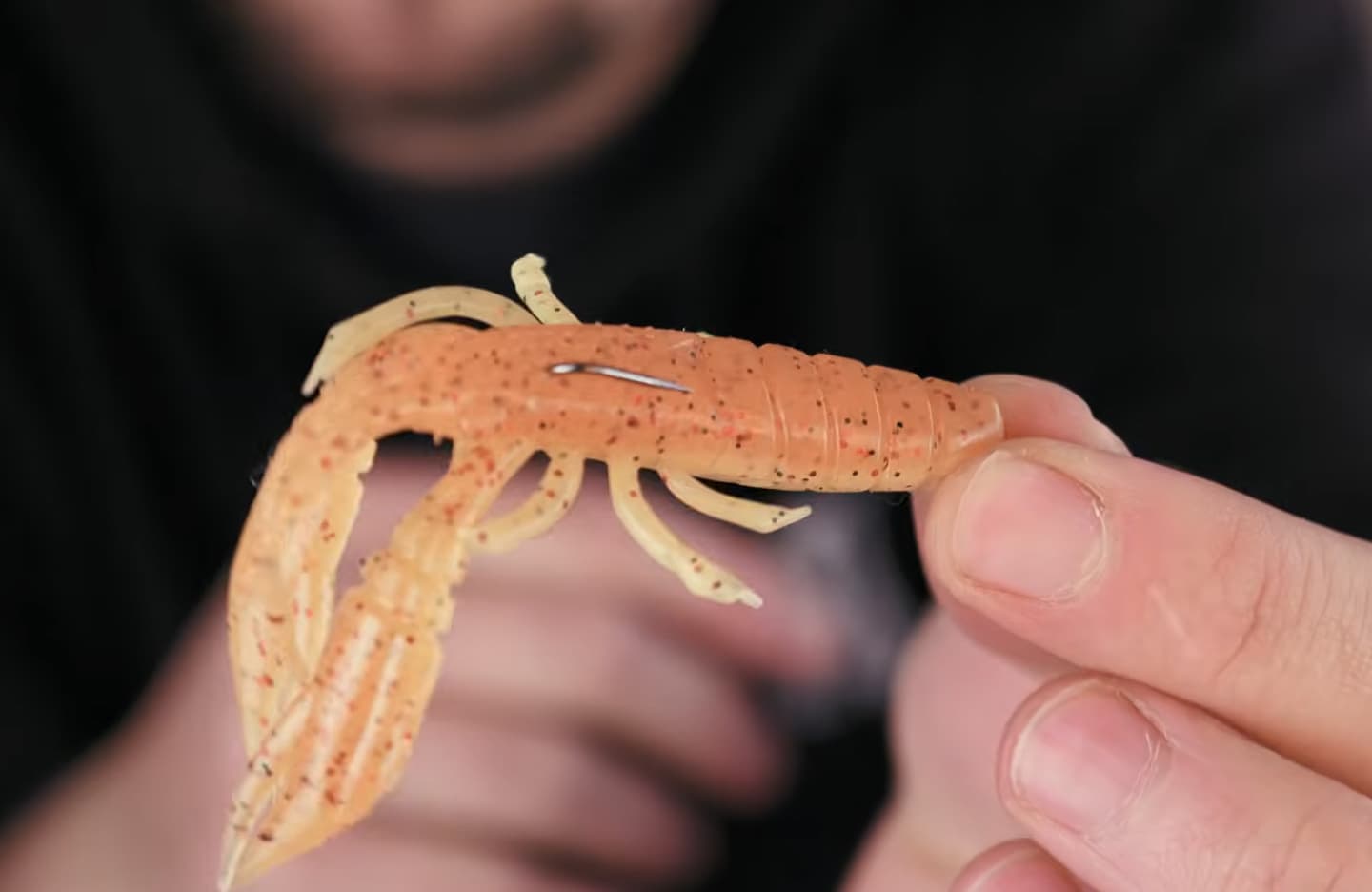
Step by Step Carolina Rig Set Up


Choosing the Right Lure
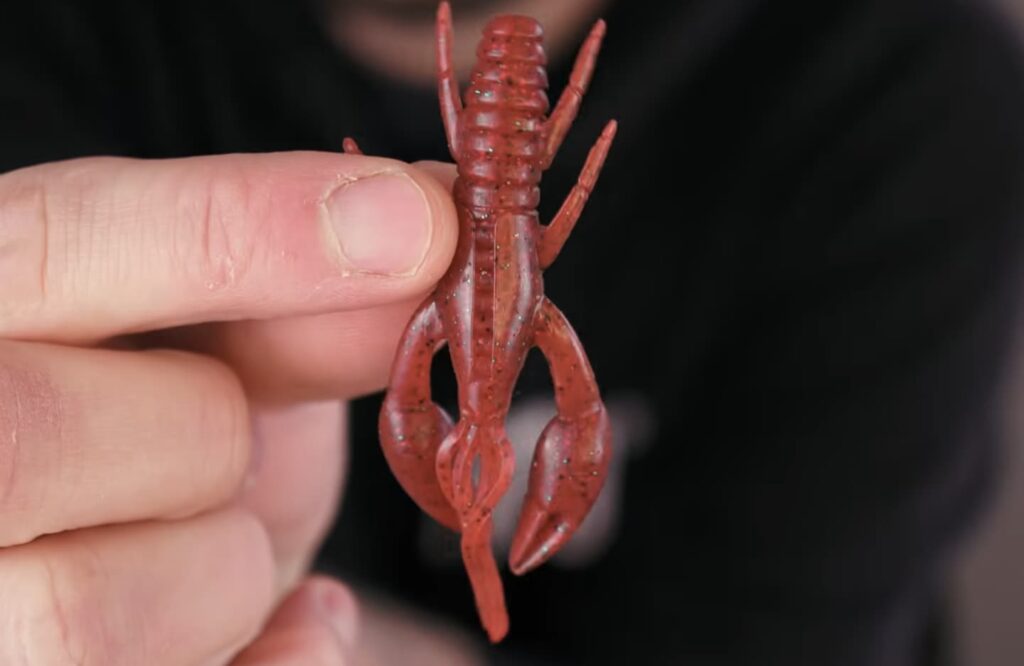
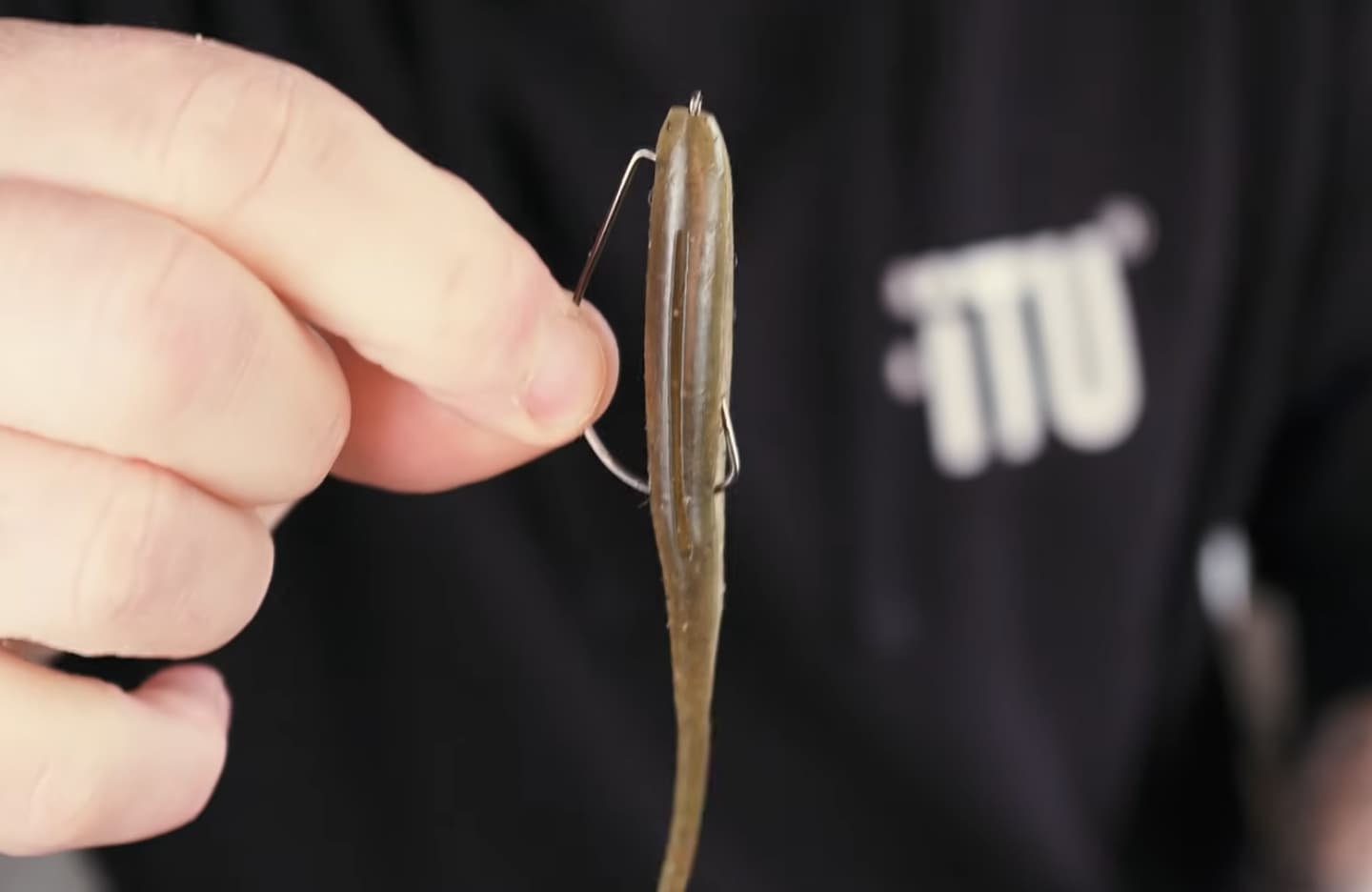
When it comes to bait, soft plastics with a natural fall are ideal. Craws are the classic choice, mimicking crayfish and bottom-dwelling prey. Pintails such as the Keitech Shad Impact are excellent too, particularly for slower or more active jigging techniques. Avoid heavy salted baits that sink quickly; they defeat the purpose of the Carolina rig, which is all about a slow, weightless presentation. The softer and more naturally buoyant the bait, the better it will perform during its free fall.
Interestingly, the shape of the lure matters as much as the softness. A flatter profile helps the bait glide slowly down to the bottom, while side-rigging pintails can make them drift or spiral, creating subtle, eye-catching movement that triggers strikes.
When and Why to Use It
Though often labeled a winter rig for lethargic fish, the Carolina rig is surprisingly versatile year-round. It shines in clear water, over sand, gravel, or mussel beds, and in moderately open areas where it has space to operate. It’s not ideal for heavy cover or tight snags, but when the fish are spread out, or you want to coax bites from pressured, finicky fish, it’s unbeatable.
The magic of the Carolina rig is that it isolates the bait from the weight. This means you can use heavier weights to reach the bottom in deep water, fight strong currents, or handle wind, without compromising the bite. The fish only interacts with the lure, never the sinker, giving you a high chance of confident strikes.
How to Fish the Rig
Fishing a Carolina rig is about patience, timing, and subtle movement. One classic technique is the slow drag, where the bait stays mostly in contact with the bottom. The weight disturbs the silt, and the lure drifts naturally past inquisitive fish. Another method, lift-and-drop, involves raising the bait mid-water and letting it settle slowly. The pause when the weight hits bottom is the moment the bait comes alive, often triggering strikes.
For more aggressive, active fish, try sharp lifts into mid-water followed by a slack line drop. The bait transitions from a fast, energetic motion to a slow, subtle fall — a contrast that can provoke hard hits. Even small, sideways twitches along the bottom can create silt clouds and sudden bait movement that fish find irresistible.
Gear Recommendations
A spinning rod is ideal for Carolina rig fishing, as it handles longer leaders better than baitcasters. Rod length between 2.1 and 2.4 meters works well, with a sensitive tip for detecting light bites and a strong backbone to set the hook. Use a reel with a standard or slow gear ratio to allow fine control over your retrieves, and select a weight appropriate to depth, current, or wind conditions.
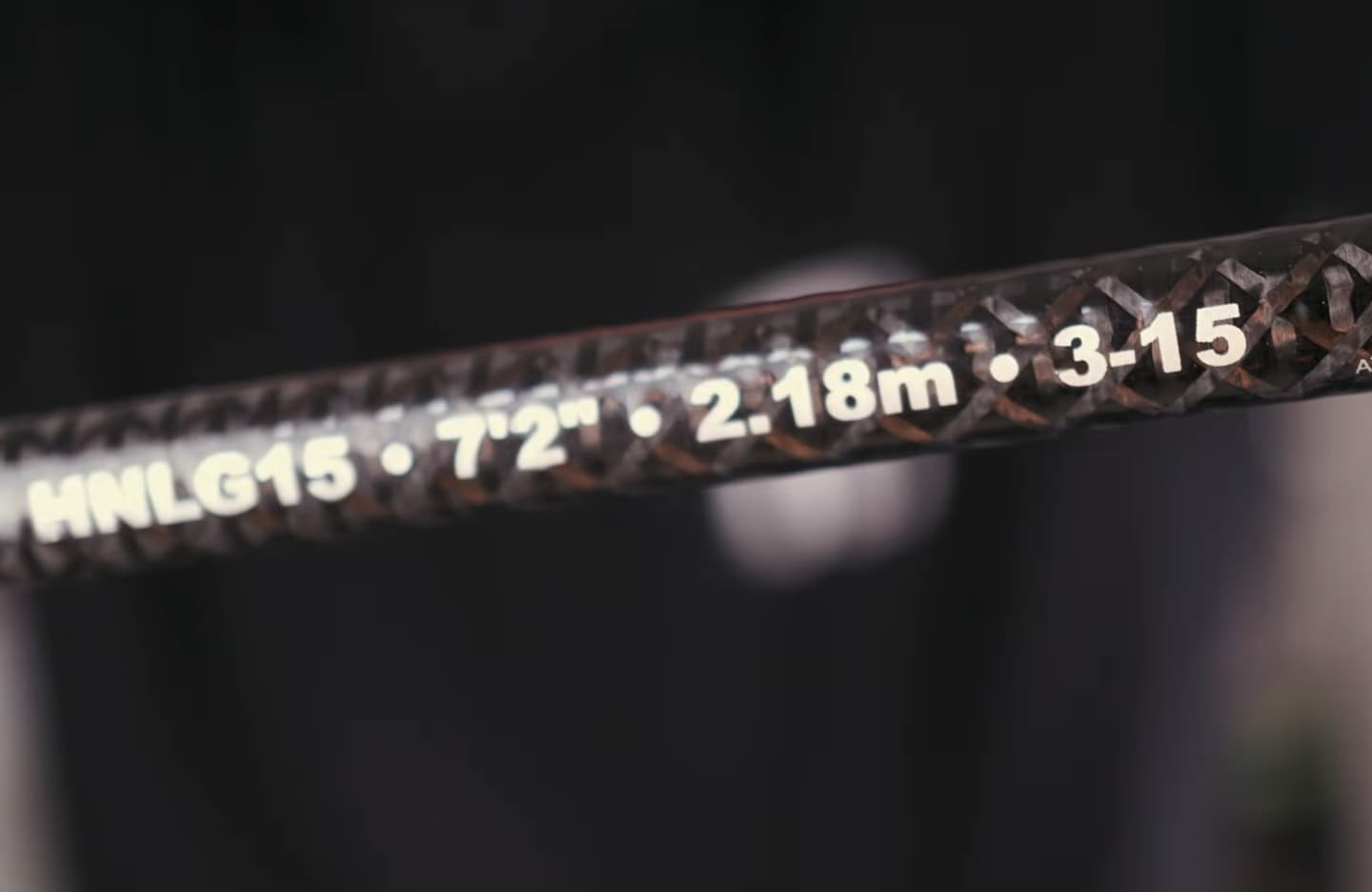
Weights from five to seven grams are perfect for shallow water, while ten to fifteen grams suit deeper water. In stronger conditions, 20 grams or more may be needed, but remember, the weight doesn’t affect how the fish experiences the bait.
Conclusion
The Carolina rig is more than a winter or finesse-only tool – it’s a versatile system that lets you control the pace, presentation, and subtlety of your lure. By separating the weight from the bait, you create one of the most natural presentations possible. Paired with the right lure, leader length, and retrieve technique, this rig can consistently produce strikes in both challenging and everyday fishing conditions.
Next time you’re on the water, tie on a Carolina rig and experiment with different baits, leader lengths, and retrieves. Mastering the balance between subtlety and action will open up new opportunities and make you a more confident, adaptable angler.